BAC 101 DPF Cleaning Process

A two-part liquid clean for your diesel particulate filter, done on the truck at your yard. No filter removal, no hauling units to a shop.

  • Mobile in San Diego, Orange & Riverside counties
  • Most vehicles done in under an hour
  • Before and after readings on every unit
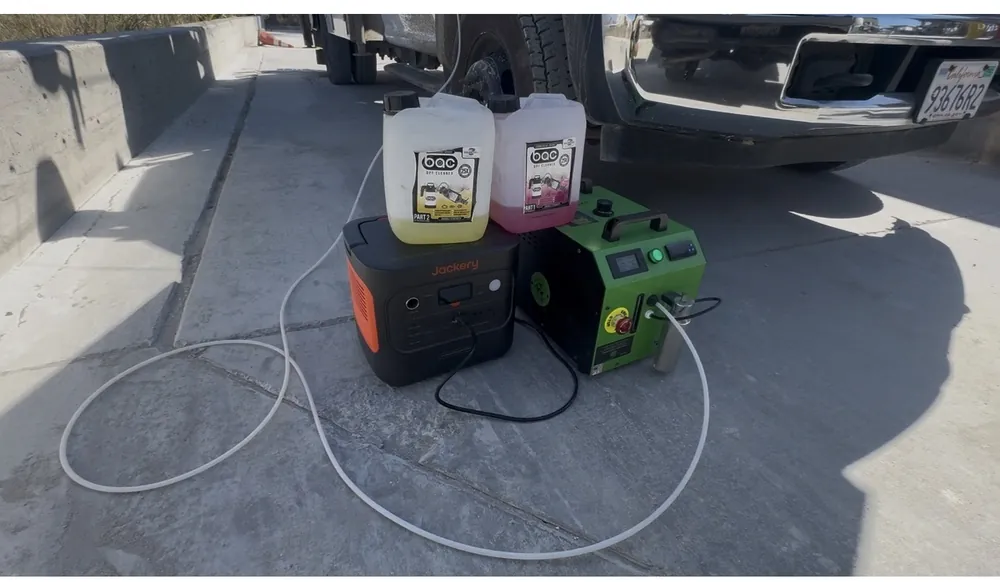
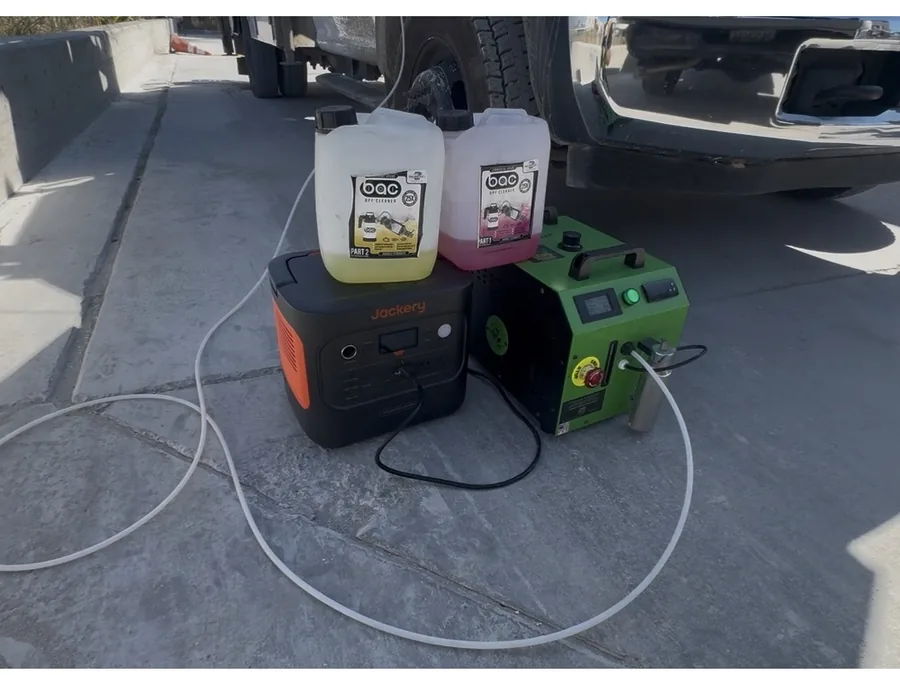
CES mobile BAC 101 cleaning setup at a customer yard

CES BAC 101 setup at a customer yard

What BAC 101 Is and How It Works

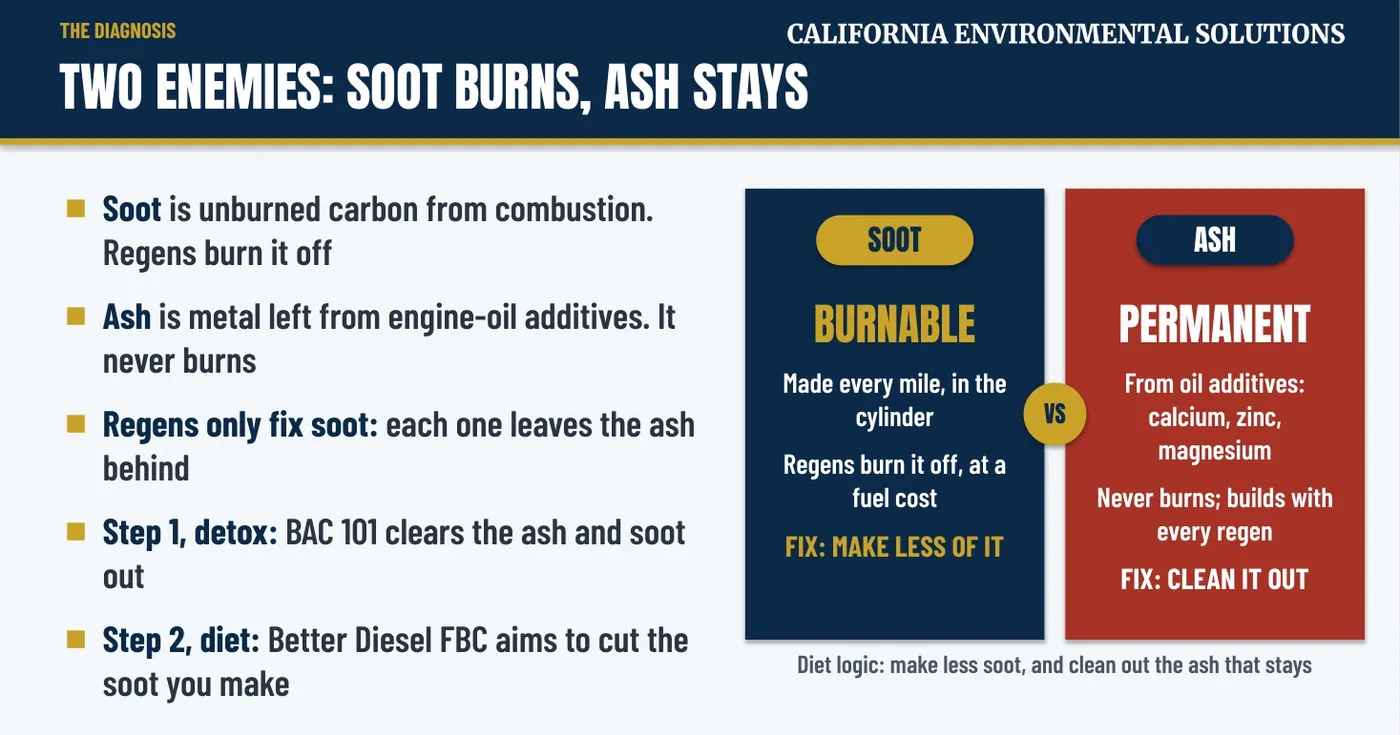
Soot burns, ash stays: soot is burned off in regens, ash from oil additives builds up until it is cleaned out

Two enemies live in every DPF:

  • Soot is unburned carbon. Regens burn it off.
  • Ash comes from oil additives and fuel impurities. It does not burn, so regens can’t clear it, and it builds up over time.

BAC 101 is a two-part liquid cleaner for diesel DPFs and catalysts:

  • Part A/B breaks down carbon, soot, oil and ash.
  • Part C binds it all into a slurry that leaves through the exhaust.

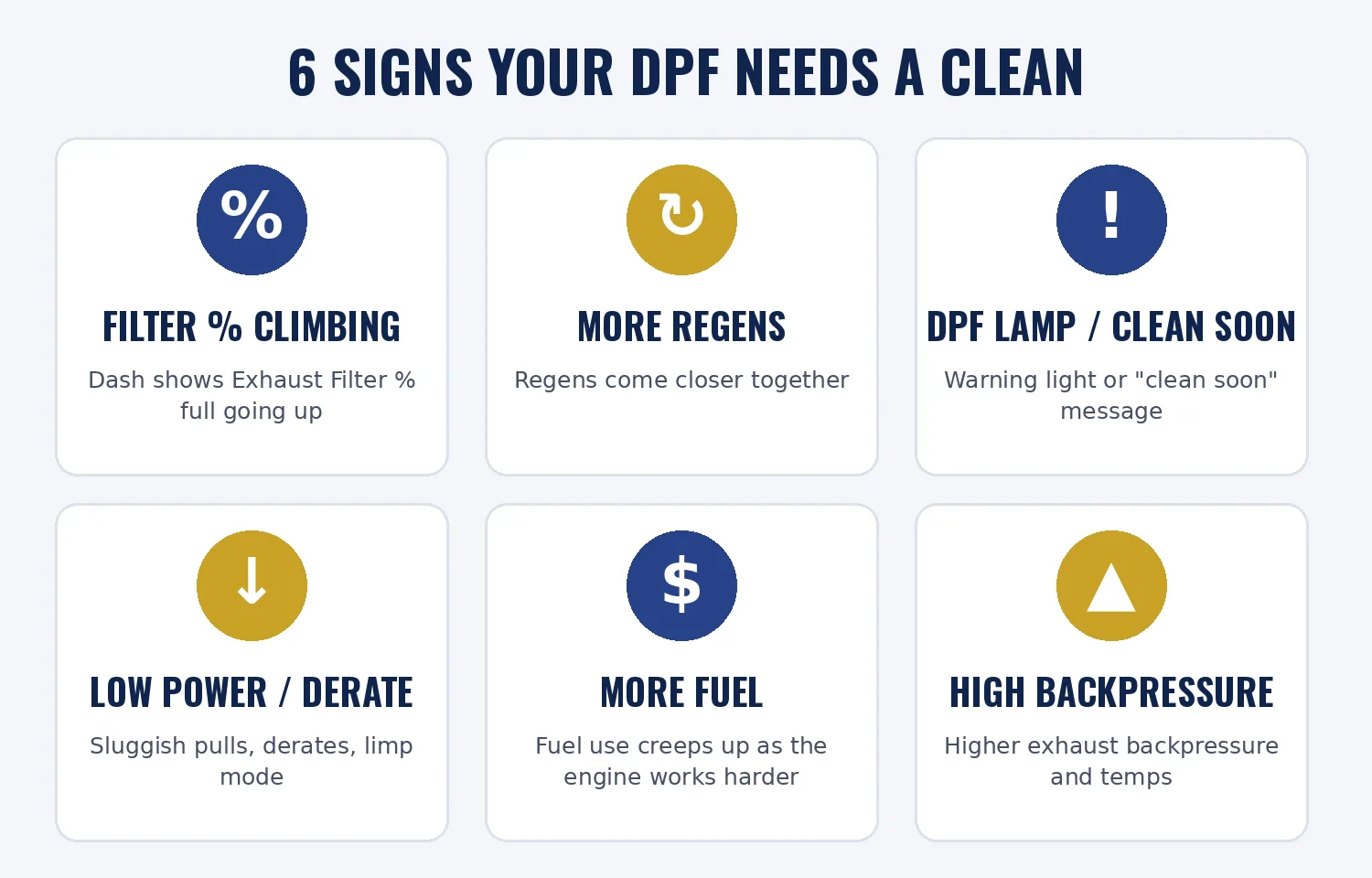
Signs Your DPF Needs a Clean

6 signs your DPF needs a clean

See two or more of these? Call before the derate, not after.


The BAC 101 Process, Step by Step

Here’s what our tech does on every truck.

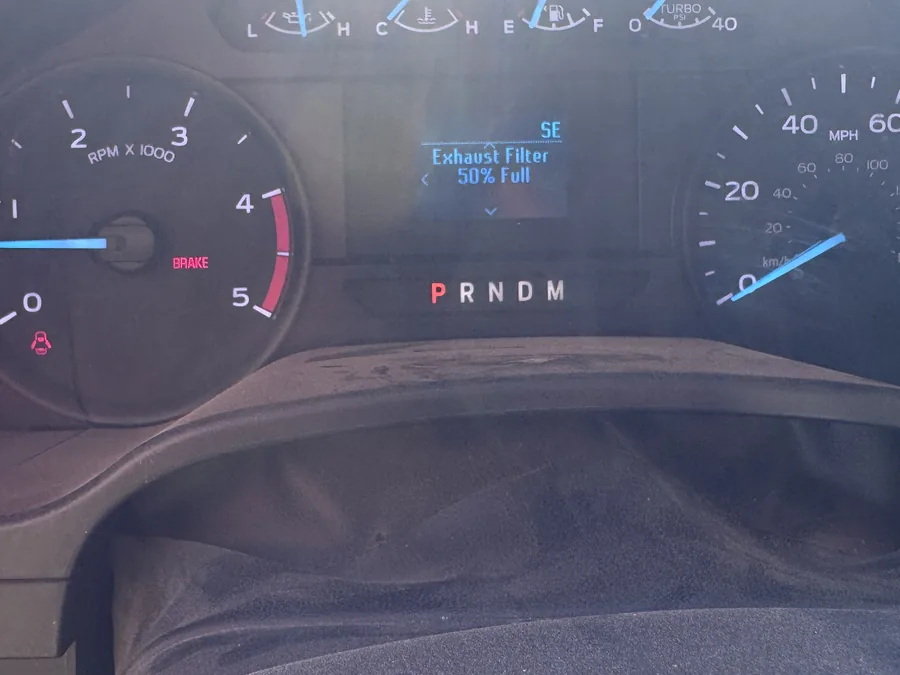
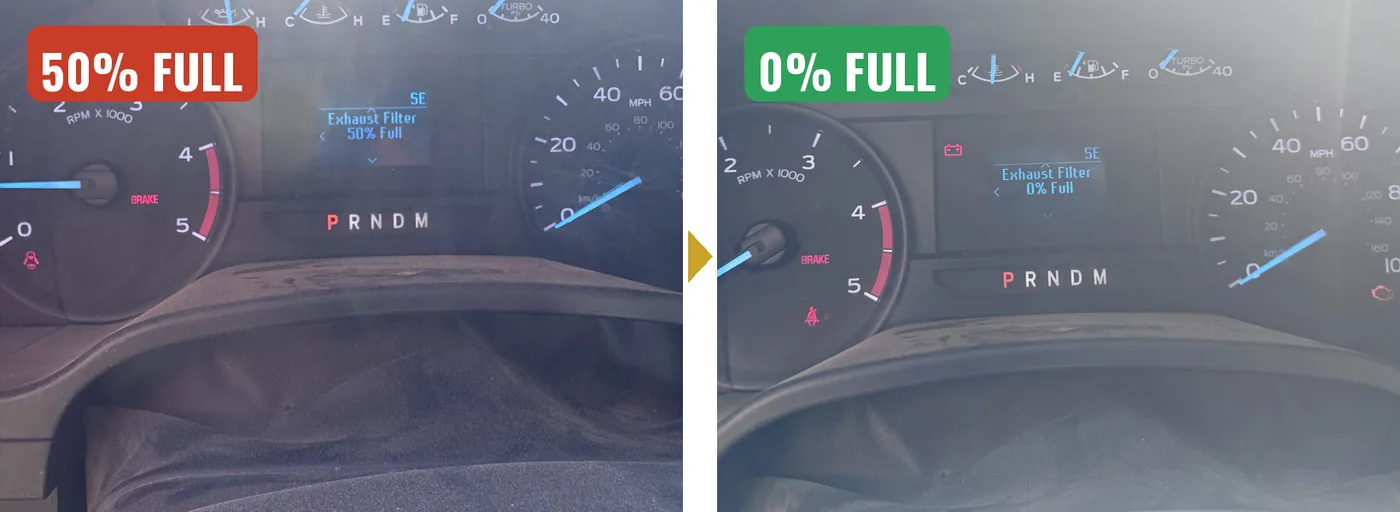
Truck dash before a BAC 101 clean: Exhaust Filter 50% full

1. Inspect & read

We check the dash, codes and scan-tool data first, so you have a baseline.

CES BAC 101 kit set up at a customer yard

2. Set up & access

Engine off, exhaust cool, full PPE. We go in through the pressure sensor, O2 sensor or a port. The filter stays on.

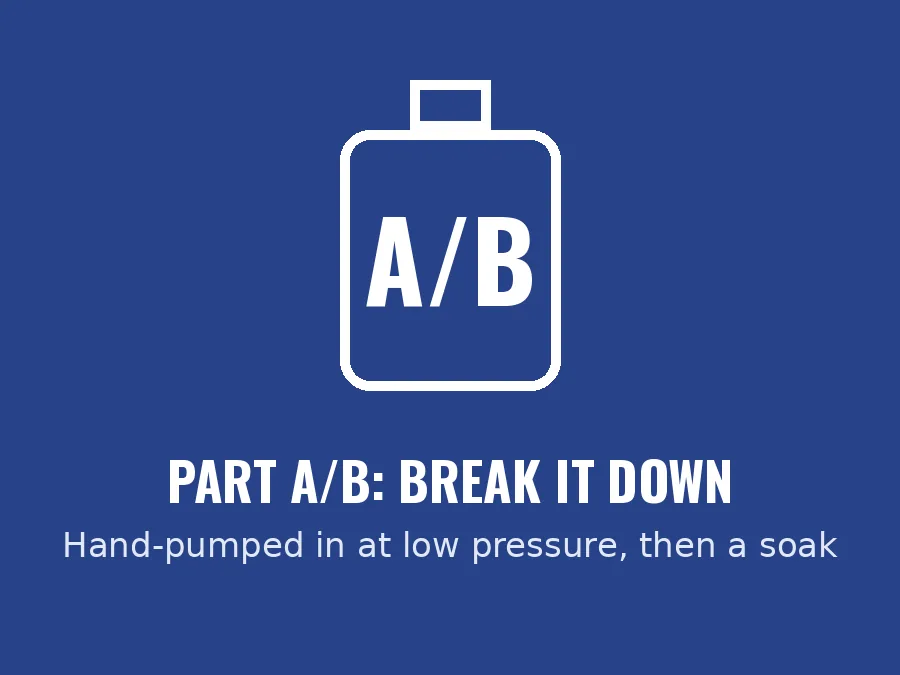
BAC 101 Part A/B breaks down soot, carbon, oil and ash

3. Part A/B soak

200 ml concentrate mixed with distilled water to 1.75 L, hand-pumped in at low pressure. Soak 15 to 30 min, longer for heavy loads.

BAC 101 Part C binds the loosened material into a slurry

4. Part C bind

Same mix and method. It binds the loosened ash, soot, carbon and oil into a slurry.

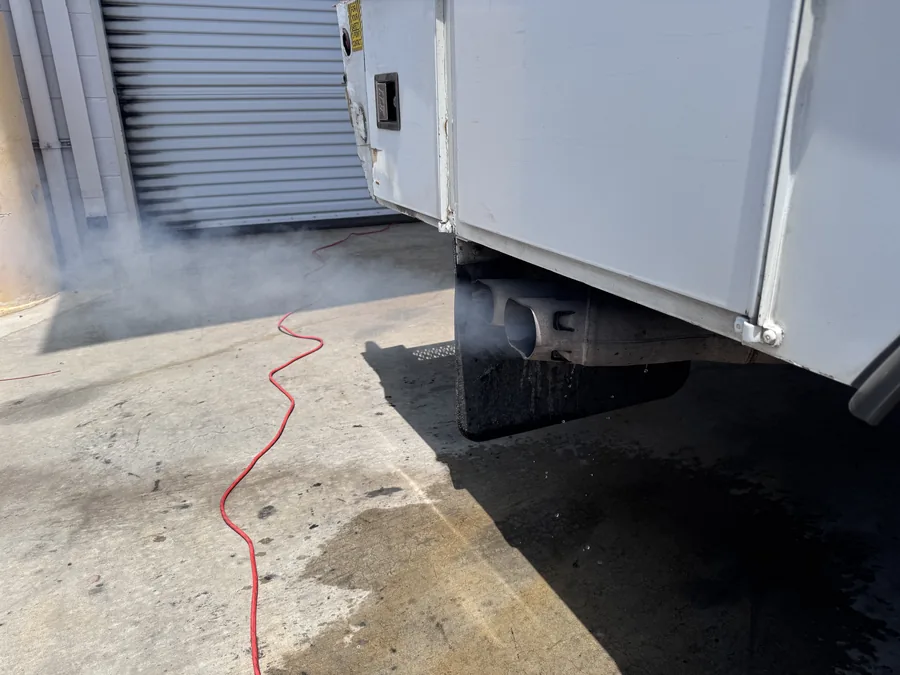
Expel step: slurry and smoke leaving the exhaust

5. Expel

Higher RPM or a 20 to 30 min highway drive pushes the slurry out. Smoke at the tailpipe is normal here.

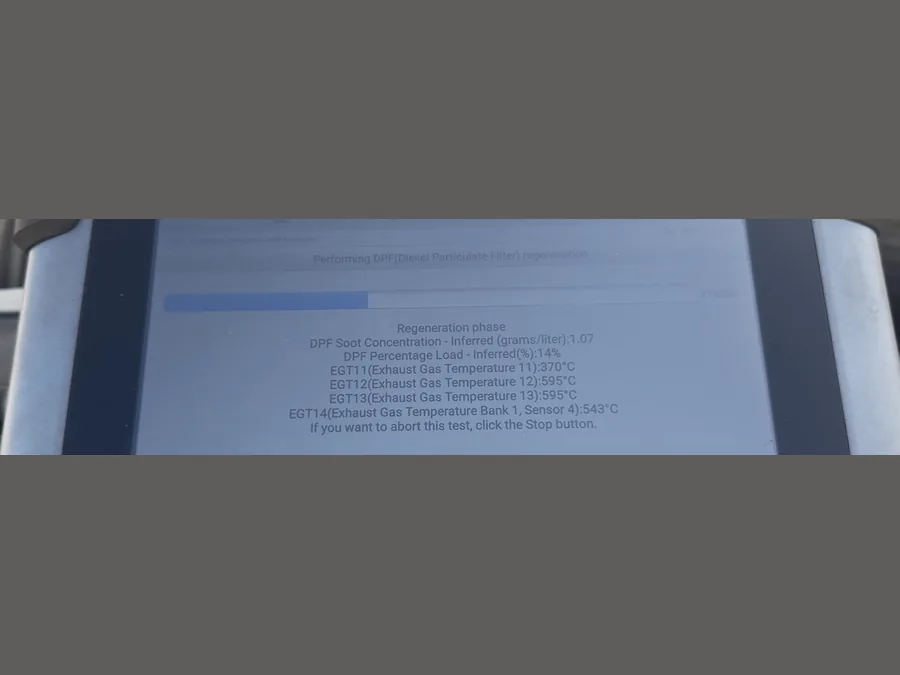
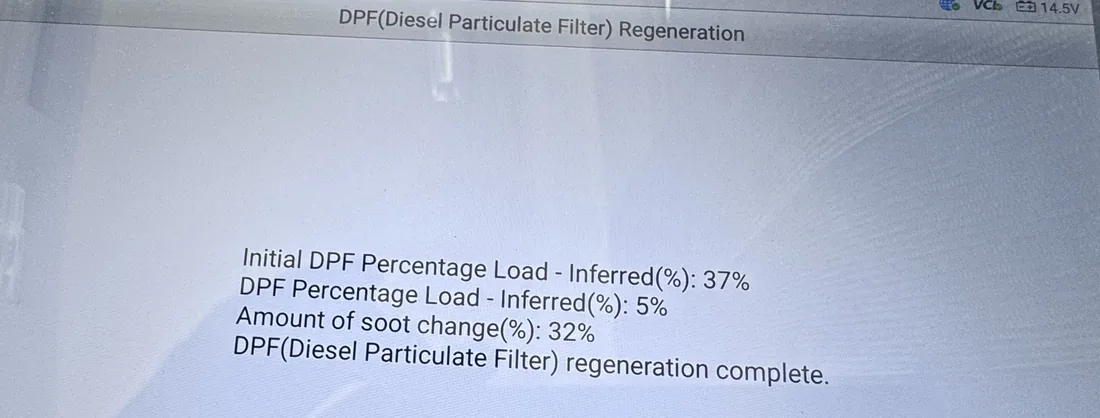
Scan tool running a DPF regeneration after the clean

6. Reinstall & regen

Sensors go back in, we check for leaks, run a forced regen with the scan tool if needed and clear codes.

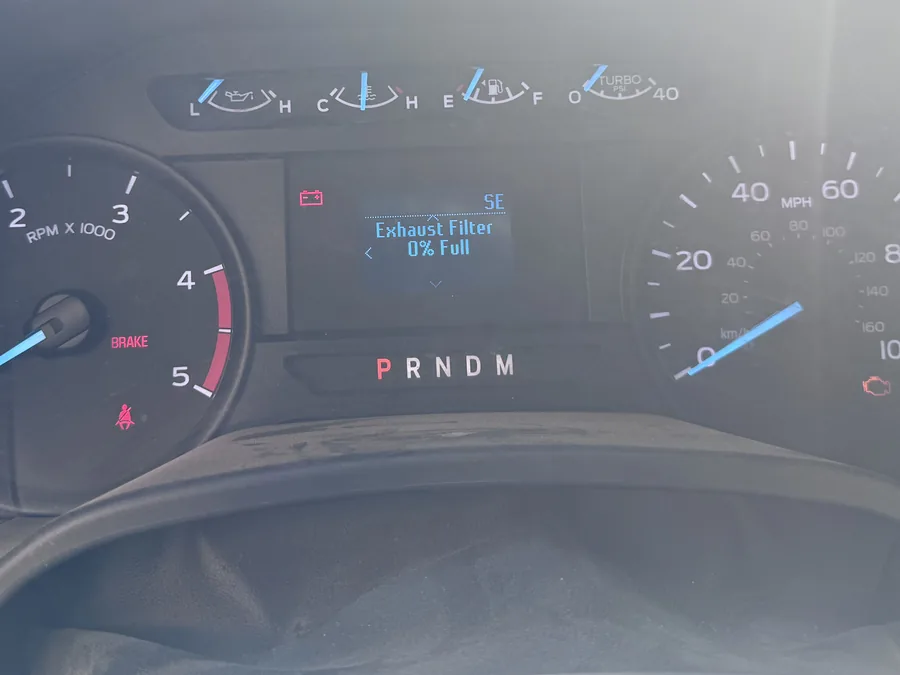
Truck dash after the clean: Exhaust Filter 0% full

7. After readings

We read the dash and data again, so you see the before and after on your own truck.

Time: under an hour for most vehicles. Heavily loaded filters get a longer soak.
Badly blocked filter? In the maker’s case studies, filters too blocked for an on-vehicle clean were removed, soaked, rinsed and dried. We’ll tell you if your unit is in that range.


Before and After, From Our Jobs

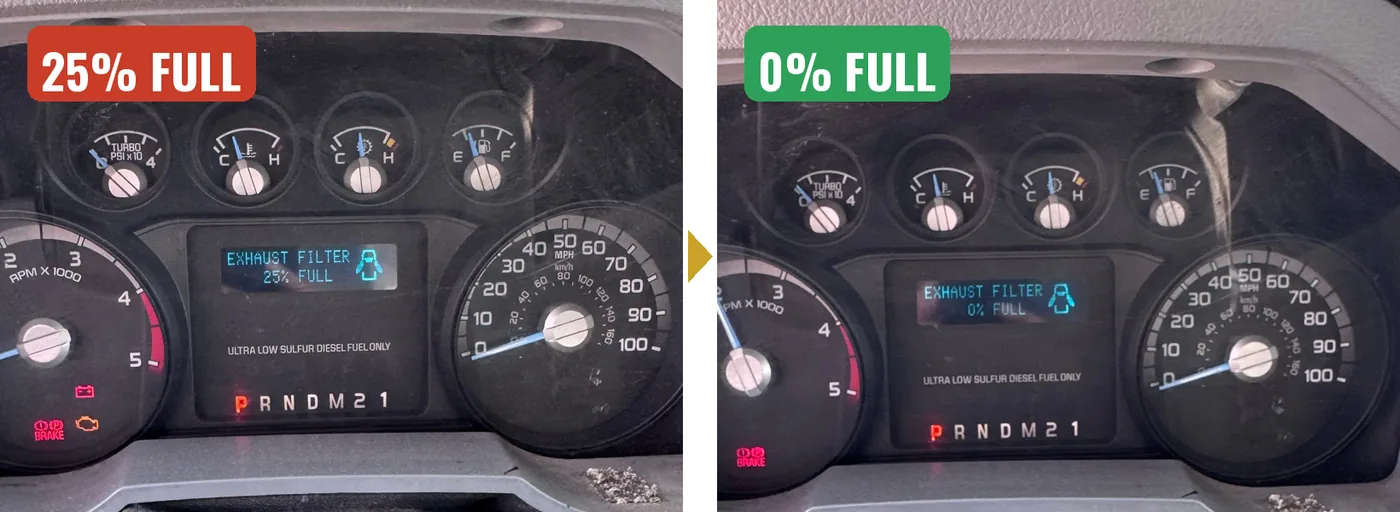
Before and after: Exhaust Filter 25% full, then 0% full

Dash: Exhaust Filter 25% full, then 0% full

Before and after: Exhaust Filter 50% full, then 0% full

Same truck: 50% full, then 0% full

Scan tool: DPF load 37% before, 5% after regeneration

Scan tool: DPF load 37%, then 5% after regen

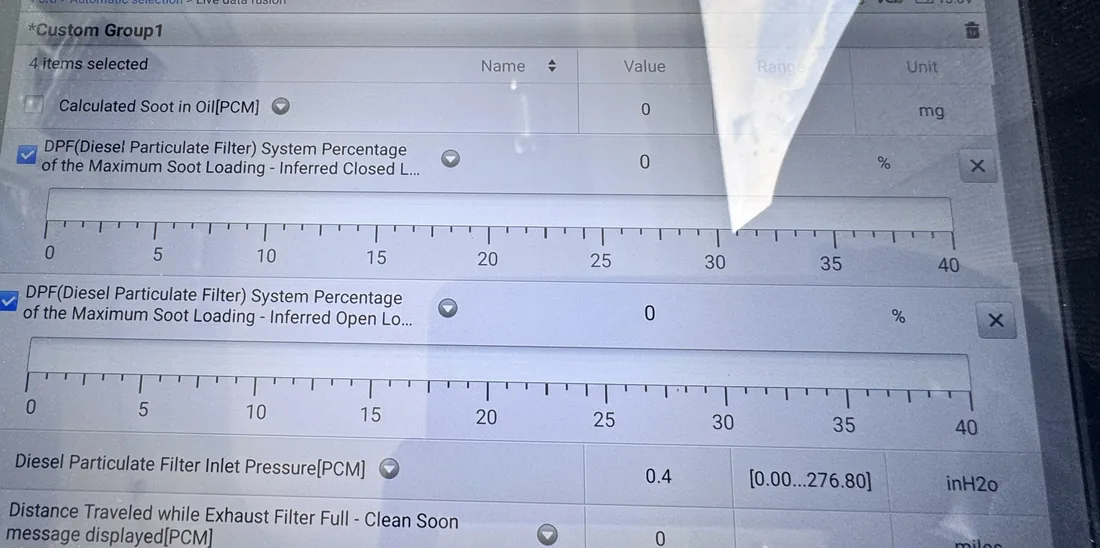
Scan tool live data after the clean: soot loading 0%

Live data after the clean: soot loading 0%

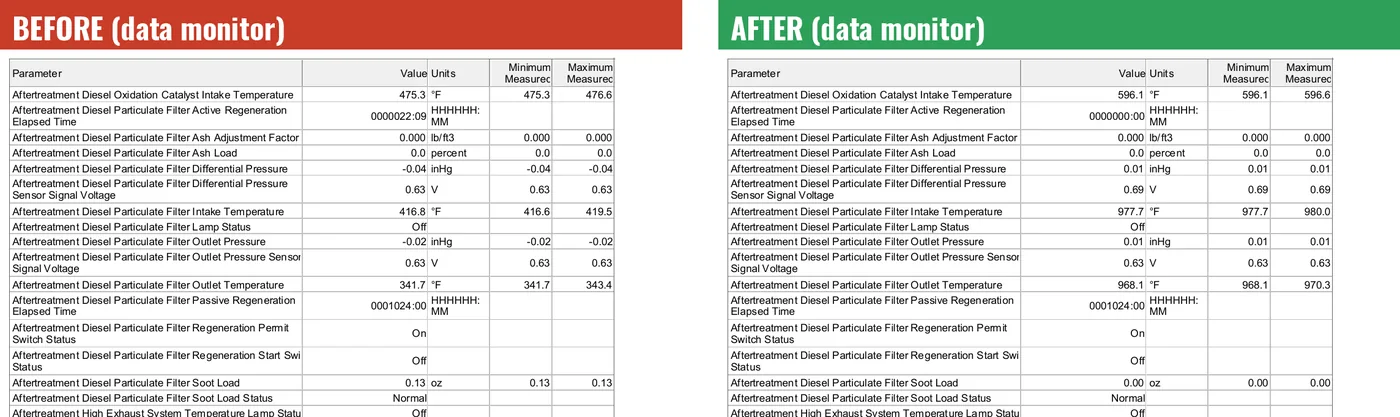
Engine data monitor before and after: DPF soot load 0.13 oz, then 0.00 oz

Engine data monitor: DPF soot load 0.13 oz before, 0.00 oz after

CES field photos and readings, ID numbers removed. Results vary with how loaded the filter is.


What We Check Before and After

Dash

  • Exhaust Filter % full
  • DPF lamp and “clean soon” messages
  • Warning lights

Scan tool

  • DPF % load
  • Soot concentration
  • Regen status and exhaust temps
  • Fault codes

Data monitor

  • DPF soot load and ash load
  • DPF differential pressure (backpressure)
  • DPF inlet and outlet temps

Why a Liquid Clean on the Truck

BAC 101 at your yard

  • Filter stays on the truck
  • No shipping, no loaner, no swap
  • The liquid reaches into the filter’s pores, where ash sits (maker’s description)
  • Low-pressure hand pump, never a high-pressure jet into the core

Pull-and-bake only

  • Filter comes off the truck
  • Unit is down while the filter is out
  • More handling, labor and logistics
  • Still a good fit for some jobs, and a cracked or damaged filter needs a new one

What It Works On

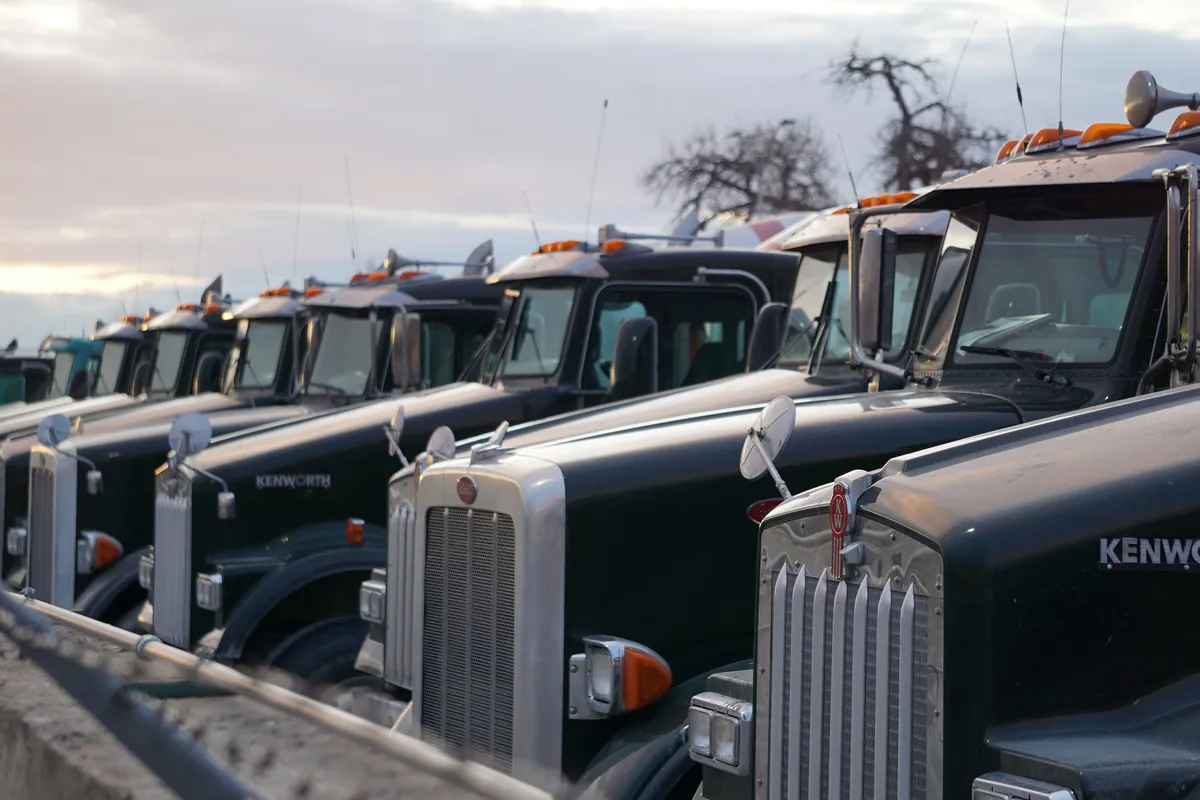
Row of fleet trucks

BAC 101 is made for diesel DPFs and diesel catalysts. The maker lists:

  • Heavy-duty and refrigerated trucks
  • Delivery vans and minibuses
  • Light- and heavy-duty diesel pickups and fleets
  • Industrial and off-highway equipment

CNG and LNG: the maker says it also cleans catalytic converters on CNG and LNG engines. Ask us about your units.


Clean on a Schedule

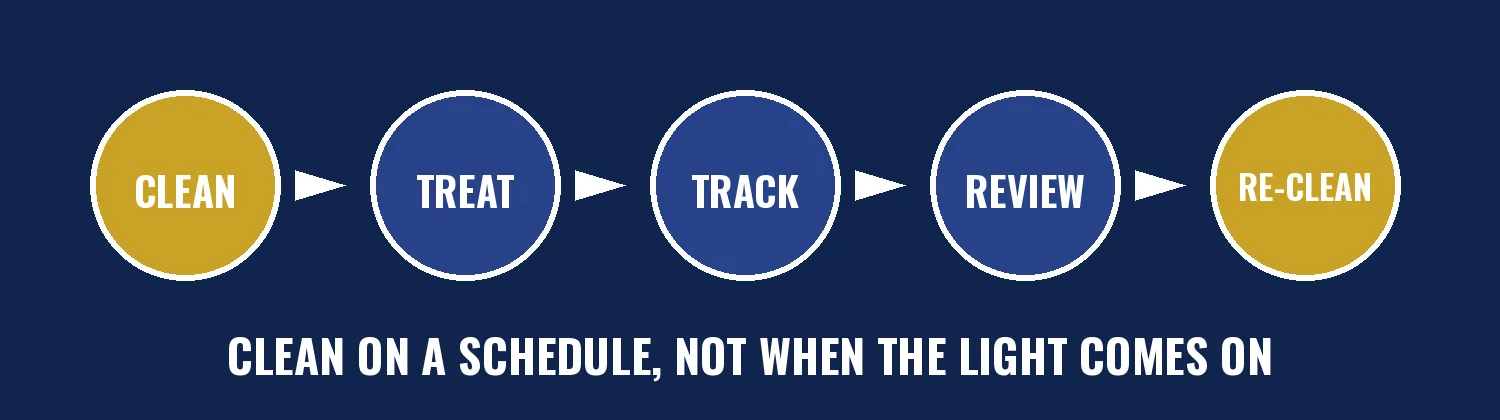
Clean, treat, track, review, re-clean: clean on a schedule

Soot comes back every mile, and ash builds with every regen. Waiting for the light means derates, downtime and forced regens.

  • Set a rotation: we clean units before they hit the warning zone.
  • Track it: we log the dash and scan readings each visit.
  • Keep it lean: pair it with Better Diesel FBC in our 90-day Fleet Diet.

From the Maker’s Case Studies

136
vehicles tested over two years in the UK, Germany and Australia

37 of 41
“beyond repair” filters restored after a 2-hour soak

82%
more flow on a Mercedes Actros filter after the two-step clean

Numbers are from the manufacturer’s (Sauber’s) own case studies, not CES test results.


BAC 101 FAQ

No. We clean it on the truck through a sensor port or service port.

Under an hour for most vehicles. Heavily loaded filters get a longer soak.

A regen burns soot. Ash doesn’t burn, so it stays in the filter until it’s cleaned out.

It depends on your duty cycle. We set a rotation with you and track the readings each visit, so units get cleaned before the warning light.

We use a low-pressure hand pump. The maker warns against high-pressure air into the core, and we never use it.

Yes, during the expel step. That’s the slurry leaving the exhaust.

Before and after readings from the dash, scan tool and data monitor.

At your yard anywhere in San Diego, Orange and Riverside counties. Call 661-619-3739.


Appointment Request

This contact form is deactivated because you refused to accept Google reCaptcha service which is necessary to validate any messages sent by the form.

Our Contacts

Phone: 661-619-3739
Email: britt@cescompliance.com

Shop:
1338 N. Melrose Dr. #D
Vista, CA 92083

Serving San Diego, Orange & Riverside counties

Copyright © 2022 California Environmental Solutions. All Rights Reserved.